

Posture is the foundation for all movement. When your posture is incorrect, your movements become inefficient.
When your joints can’t function in full range of motion, other joints in the chain of movement overcompensate and can get injured more easily.
It also causes more wear and tear on your body.
Think of it like a house: if it’s built on a poor foundation, the structure won’t be sound.
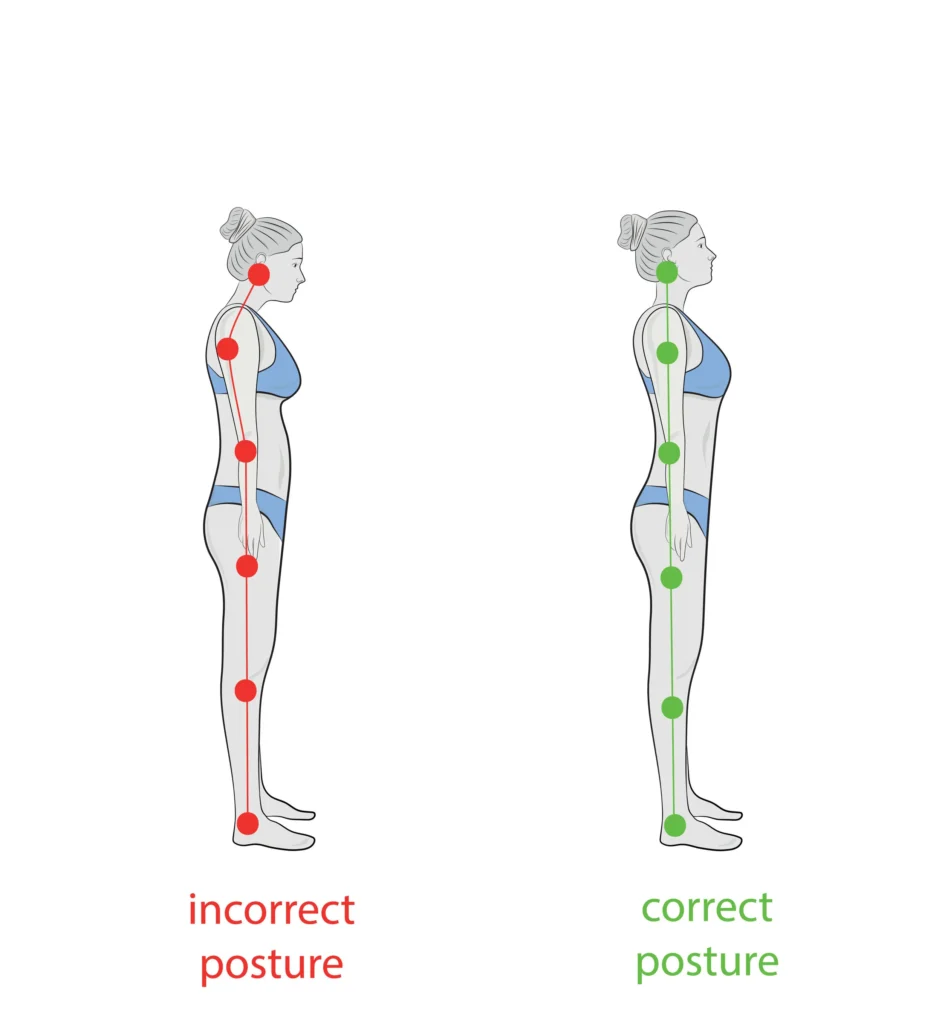
Good posture keeps your body aligned correctly to handle gravity. For instance, in a proper stance, your head is over your shoulders, your shoulders are over your hips, and everything is in a straight line. When this alignment is off, it changes how your body bears weight.
We call the optimal posture “Orthopedic Neutral”.
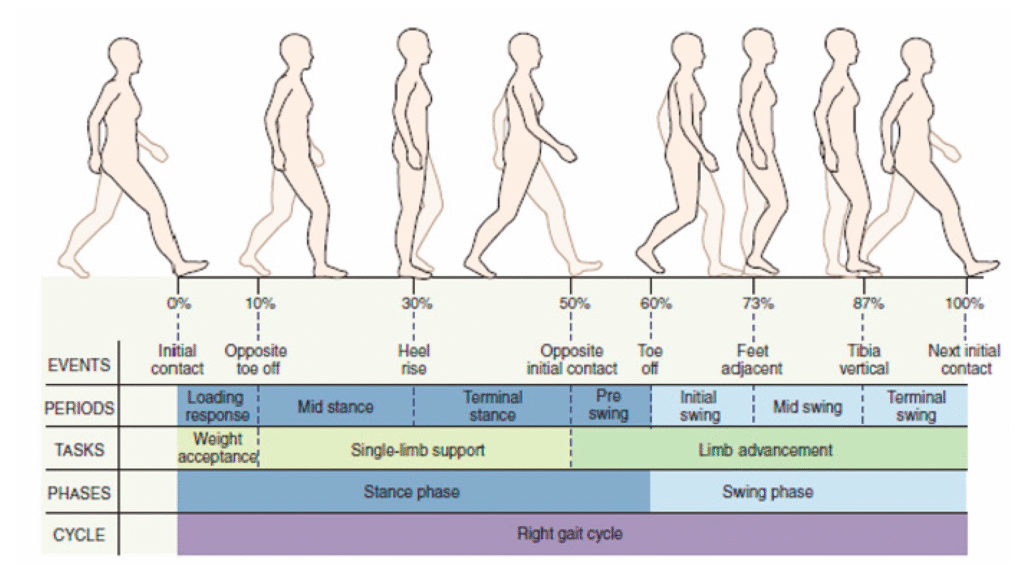
There are two types of posture: dynamic posture, which is how your body moves, and static posture, which is how your body is positioned at rest. Both are crucial for preventing injuries.
The Reality of Today
Your tonic system is designed for long-term work and maintaining posture. When tonic muscles—like those in the back of your neck—are overused, they become tight.
Tonic muscles, also known as postural muscles, are muscles that primarily maintain posture and stabilize joints
This often happens from constantly looking at a phone.
In contrast, your phasic muscles—such as your chest muscles—can become weak and long.
Phasic muscles are the “movers” of the body, designed for dynamic movements like running, throwing, and lifting.
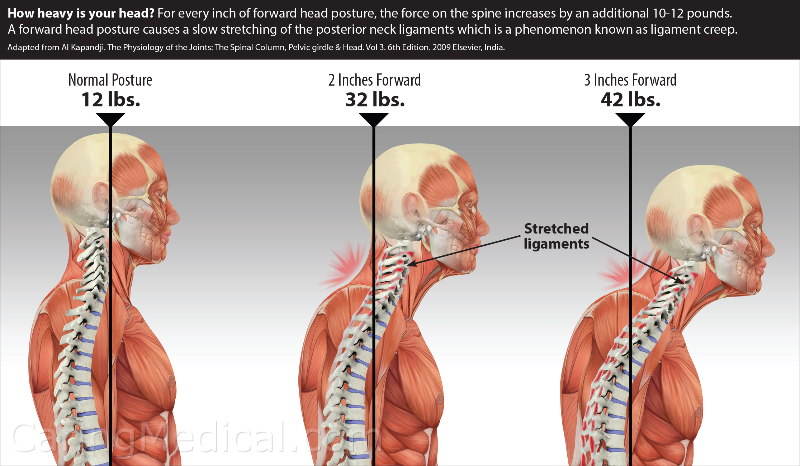
This imbalance is a key characteristic of famous Upper Cross Syndrome. The average person’s head is often carried several inches forward, putting a huge amount of extra stress on the neck muscles.

Every 2.5 cm your head moves forward from its neutral position, it can increase the effective weight on your cervical spine by approximately 4.5 kg.
For context, the average human head weighs about 4-5 kg. Therefore, a forward head posture of just 2,5 cm can double the load that your neck muscles and spine have to support, leading to significant strain and potential long-term issues like disc degeneration and muscle imbalances.
Posture reflects psychology
Posture isn’t just about anatomy and physiology; it’s also connected to psychology and communication. It’s a major factor in a person’s physical and emotional well-being.
I saw a great example of this psychological phenomenon as I was growing up: I was always called short, but now I’m not anymore.
I’m not the tallest human anyway at 175cm of height.
So why haven’t I received any comments about being short anymore?
It’s not because I grew taller.
It was because I used to walk hunched over, which made my posture bad.
Posture is self-confidence. Your posture affects how people perceive you. If it’s bad, you can become an easy target for teasing. Especially as kids, kids are cruel! Now that my posture is good, people perceive me as confident.
Having worked on my posture for years and seeing my exercise routine more and more like medicine, and less like a self torture space, I learned to reap the benefits of having good posture:
- less chronic pain
- more feeling of freedom in your own body
- receiving more respect through appearing more confident
I’m learning to assess posture in others, if you’re interested in a free screening of your postural alignment, answer this email 🙂
See you next Week!
Kiss kiss,
Tarkan